Navigating the World with Disabled Scooters: A Comprehensive Guide
In today's busy world, mobility is a fundamental element of every day life. For individuals with impairments, keeping independence and mobility is vital. Disabled scooters, also known as mobility scooters, have become an essential tool for those who face obstacles in strolling or standing for extended periods. This article dives into the world of disabled scooters, exploring their advantages, types, and how to discover the ideal one near you.
Understanding Disabled Scooters
Disabled scooters are motorized vehicles created to help people with mobility problems. They are especially beneficial for those who have trouble using manual wheelchairs or walking help. These scooters can be found in numerous sizes and designs, accommodating different needs and choices. They are equipped with functions such as comfy seating, adjustable speed settings, and security mechanisms to ensure a smooth and secure trip.
Advantages of Disabled Scooters
- Enhanced Independence: One of the primary benefits of utilizing a disabled scooter is the increased self-reliance it supplies. Users can travel to numerous locations without relying on others, which boosts their self-confidence and self-esteem.
- Enhanced Mobility: Scooters enable people to cover longer distances with less effort, making it simpler to take part in social activities, run errands, and take pleasure in outside spaces.
- Comfort and Safety: Modern scooters are created with ergonomic seats, adjustable back-rests, and other convenience features. They also include safety features such as brakes, lights, and turn signals to ensure a safe riding experience.
- Affordable: Compared to other mobility aids like power wheelchairs, scooters are frequently more budget-friendly and require less maintenance.
Types of Disabled Scooters
- Three-Wheeled Scooters: These scooters are known for their agility and maneuverability. They are ideal for indoor usage and narrow areas however might not be as steady as four-wheeled designs.
- Four-Wheeled Scooters: Offering better stability and balance, four-wheeled scooters appropriate for both indoor and outside usage. They are especially beneficial for users who require to browse uneven surface.
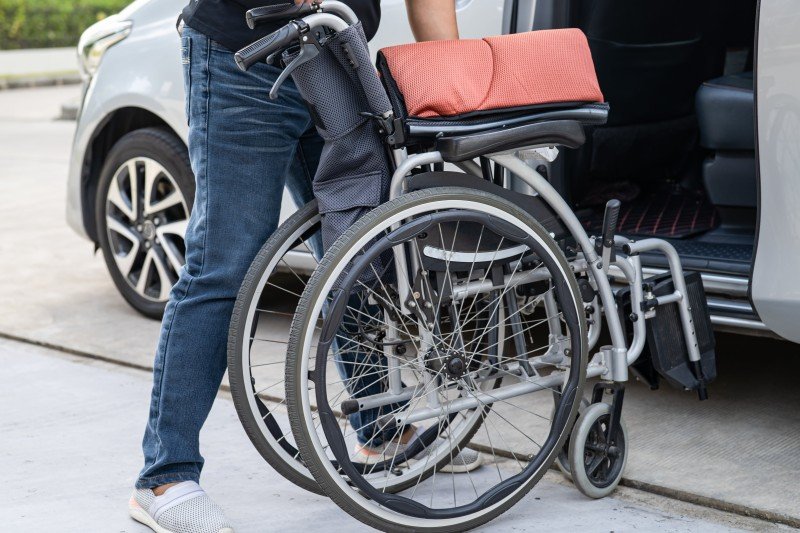
- Portable Scooters: Designed for travel, these scooters can be dismantled and carried in a vehicle or on public transportation. They are light-weight and simple to shop.
- Durable Scooters: Built for users who require a higher weight capacity, heavy-duty scooters are robust and durable. They are perfect for individuals who need extra support and stability.
How to Find Disabled Scooters Near You
Discovering the right disabled scooter can be a complicated job, but with the right technique, it can be a smooth and fulfilling experience. Here are some steps to help you find and pick the best scooter:
- Research Online: Start by investigating online to get an idea of the various brand names and designs readily available. mouse click the up coming website like Amazon, Walmart, and specialized mobility stores provide a large variety of alternatives.
- Local Mobility Stores: Visit local mobility stores to see and test various scooters face to face. This will provide you a much better understanding of the features and convenience levels of each model.
- Consult a Healthcare Professional: Speak with a healthcare provider or a mobility expert to get individualized recommendations based upon your particular requirements and physical condition.
- Check Out Reviews and Testimonials: Check online reviews and reviews from other users to get insights into the efficiency and dependability of different scooters.
- Consider Your Needs: Think about your day-to-day activities and the environments in which you will be using the scooter. Consider aspects such as indoor and outside usage, weight capacity, and battery life.
Regularly Asked Questions (FAQs)
Q: Are disabled scooters covered by insurance?A: Some insurance coverage plans, consisting of Medicare, might cover the cost of a disabled scooter if it is deemed medically necessary. It's essential to consult your insurance coverage provider to comprehend the protection information and any required documents.
Q: How do I maintain my disabled scooter?A: Regular maintenance is vital to make sure the durability and safety of your scooter. This includes checking the battery, tires, and brakes frequently, keeping the scooter clean, and following the manufacturer's upkeep standards.
Q: Can I utilize a disabled scooter on public transport?A: Many public transport systems, consisting of buses and trains, are geared up to accommodate disabled scooters. Nevertheless, it's a good idea to inspect the particular policies and requirements of the transportation supplier in your area.
Q: What is the average lifespan of a disabled scooter?A: With appropriate upkeep, a disabled scooter can last for several years. The average lifespan is generally around 5-10 years, depending on usage and care.
Q: Can I drive a disabled scooter on the road?A: In many places, disabled scooters are enabled on roadways, but they should adhere to specific policies. It's crucial to check regional traffic laws and guidelines to ensure safe and legal use.
Disabled scooters are an important tool for people with mobility difficulties, offering enhanced independence, comfort, and safety. By comprehending the different kinds of scooters and following the steps to discover the ideal one, you can delight in a more active and fulfilling life. Whether you are wanting to explore the outdoors, run errands, or just keep your self-reliance, a disabled scooter can be a game-changer. Make the effort to research, speak with professionals, and test different designs to discover the ideal suitable for your needs.
If you have any more concerns or need more help, don't be reluctant to connect to local mobility stores or doctor. Your journey to improved mobility begins with the right disabled scooter.